Stop Using AI

(At least with your lawyer.)

AI is very useful but…

The allure of AI is undeniable. I present to lawyers—locally and nationally—about the expanding role AI will play in the legal profession.

But when something feels “too good to be true,” it usually is.

And while we’re still in the early days of the AI boom, we already know many of the pitfalls. Here’s one you may not be considering:

Using AI in your communications with your lawyer may be costing you more money than you think.

The pattern we’re seeing

More and more, clients are communicating with us through AI.

We can usually tell right away: the traditional font, the bolded subject headers, the tidy bullet points—and the tone. And in these emails (the length of which tends to be unmanageable), clients use AI to “explain” the law to us.

The problem is: these AI platforms always (and we do mean, always) steer clients in the wrong direction.

Most of the time, the “law” cited is just plain wrong.

For example, I asked ChatGPT to list the custody factors in Pennsylvania. It missed them.

Not most of them—all of them.

It created new custody factors, ignored the real factors, and tried to tell me I was wrong.

Why AI gets it wrong (even when it sounds right)

AI tools (including ChatGPT, Claude, Copilot, and many others) do not know the law.

That’s a dangerous combination in a legal case where every move has a consequence.

The hidden cost: you pay for the cleanup

Attorneys spend three years in law school learning the law—but, more importantly, learning how to analyze it, synthesize it, and use their education and skills to represent you. They spend the rest of their careers sharpening those skills, building relationships, and learning how to navigate the legal system.

There is so much more to the practice of law than just the words in the Rules. The practice of law involves understanding the courts and our clients—and knowing how to strategize and plan to our clients’ advantage.

The documents AI drafts are nearly always wrong: they cite imaginary or incorrect rules, and they summarize the law incorrectly.

When this happens, we must spend hours:

AI isn’t saving you time.  It’s creating more work—and more costs—for you.

A better way to use AI (without letting it misdirect you)

We understand why clients turn to AI.

Legal jargon is confusing. The process can feel mysterious and frustrating. Continuing to find ways to conserve costs and better understand the legal process is commendable.

However, relying on AI as “truth”—or using it to guide your attorney’s strategy—is not advisable.

The costs are high:

If you’re using AI, tell your lawyer

Be open with your lawyer about your use of AI.

We already know you’re using it.

Help us understand what you’ve read and what concerns you—so we can better help you.

Talk to us so we can enhance how we represent you, using our experience, our education, and the relationships we have built with other lawyers, the court—and with you.
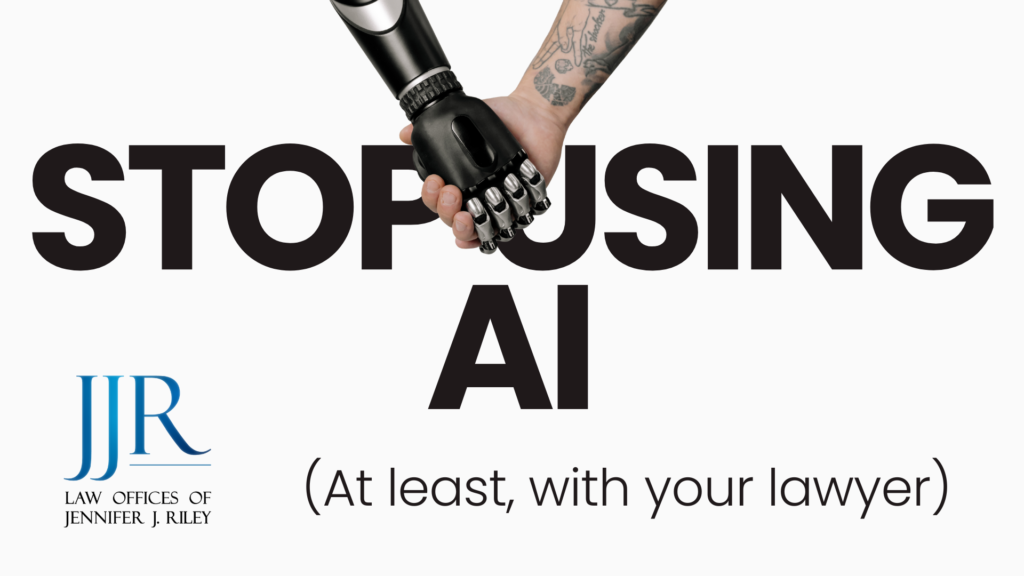

Human and robotic hands shaking above the words "Stopping AI" to illustrate why AI legal advice should not replace advice from an experienced Pennsylvania family law attorney.

Pennsylvania Child Support Guidelines 2026: What Changed & What It Means for You

Starting January 1, 2026, Pennsylvania’s child support guidelines have been updated—and these changes could directly impact your support obligations or your case. Here’s what you need to know.

The Big Changes in 2026

Child Support Amounts Are Going Up

The new guidelines have increased overall child support obligations across the board. However, there’s an important exception: if both parents combined earn less than $1,300 per month, there’s no guideline-based support requirement.

But here’s the catch—and it’s important: no guideline doesn’t mean no obligation. The court still has broad discretion to award child support even when income falls below this threshold. Every case is different, and judges can order support based on the specific circumstances of your family.

Mental Health and Orthodontic Care Are Now “Necessary”

This is a significant shift. Previously, psychiatric care, psychological treatment, and orthodontic work weren’t considered reasonably necessary medical expenses. That meant the parent paying for these treatments couldn’t ask the other parent to chip in.

That has changed. As of January 1, 2026, these treatments are now classified as reasonably necessary medical expenses. If you’re paying for your child’s therapy or braces, you can now seek reimbursement from the other parent. This applies to both ongoing treatment and retroactively in many cases.

What Has Stayed the Same

The core calculation method hasn’t changed. Here’s how child support is still determined:

If you understand how it worked before, the process is still the same—just with updated numbers and new categories of expenses.

Does This Affect Your Current Order?

Yes, potentially. The new guidelines constitute what Pennsylvania law calls a “change in circumstances.” That means you may have grounds to file for a modification of your existing child support order.

Important caveat: Reopening a child support case means the court will review everything. While the new guidelines might work in your favor, there is also a chance the court could make a decision that doesn’t help your situation. This is why it is critical to seek professional guidance before filing.

What You Should Do Now

If you are currently paying or receiving child support, the 2026 changes could impact your case—whether that’s an increase, a decrease, or the ability to recover costs you’ve been covering on your own.

The best move? Contact our office for a consultation. We’ll review your specific situation, analyze whether the new guidelines work in your favor, and help you decide if modifying your current order makes sense. We will be honest about the risks and benefits so you can make an informed decision.

Don’t leave money on the table—and don’t expose yourself to unexpected changes. Let’s talk about what 2026 means for your family.